
2026-10-17 ·
Metal Roofing vs. Shingles for Rainy and Humid Conditions in Tyler, TX
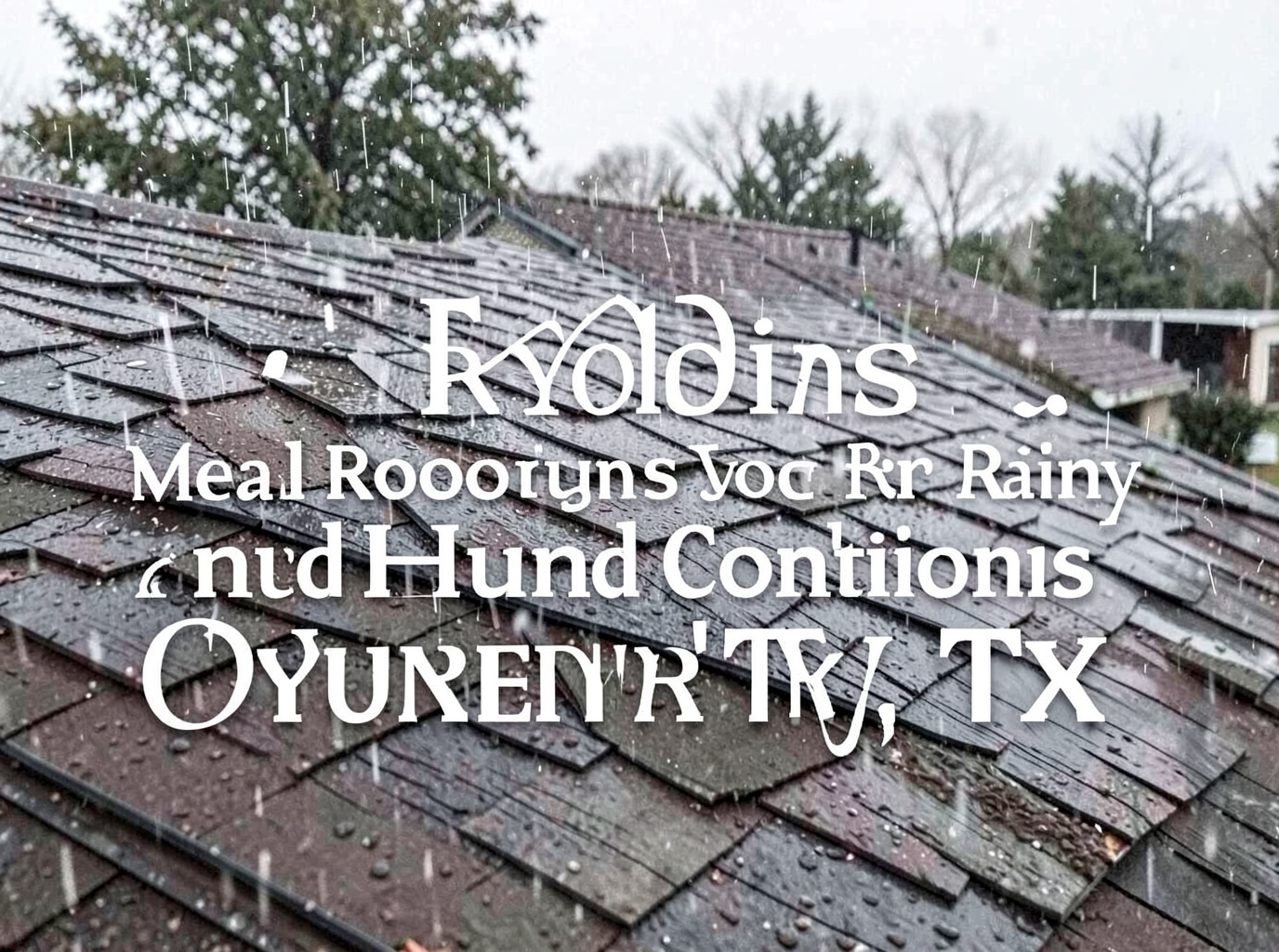
In Tyler's humid subtropical climate with hot summers and mild winters, metal roofing resists moisture accumulation and lasts longer than shingles when installed on homes in areas like Downtown Tyler or the Azalea District.
How Local Weather Patterns Impact Roof Materials
Tyler sits in Smith County where heavy spring and fall rains combine with high humidity year-round. This drives moisture into roof decks on older housing stock common in Charnwood and Hollytree. Metal panels shed water quickly and prevent the condensation issues that shorten shingle life in neighborhoods near the Tyler Municipal Rose Garden. Homes in nearby Whitehouse and Lindale see similar patterns because the terrain stays relatively flat with clay soils that hold moisture after storms. Shingles absorb more water during prolonged humidity spikes, leading to granule loss and underlayment breakdown faster than metal in these conditions.
Metal Roofing Behavior in Rain and Humidity
Metal systems create a sealed surface that channels water off the roof without trapping it against the structure. In Tyler's hot summers this reduces heat buildup that can warp underlying materials. Panels expand and contract predictably during mild winter temperature swings without cracking. Local installers often recommend standing-seam profiles for homes in the Azalea District because they handle the region's frequent thunderstorms without seam failures. Metal roofing installation crews note that proper ventilation under the panels further limits humidity-related corrosion on steel or aluminum options.
Shingle Performance Under the Same Conditions
Asphalt shingles rely on overlapping layers that can trap moisture when humidity stays elevated for days. In Smith County this leads to earlier algae growth and edge curling on roofs in Central Tyler and East Tyler. The material's granular surface holds water longer than smooth metal, increasing the chance of deck rot over time. Asphalt shingle roof replacement projects in Lindale frequently reveal saturated underlayment after just eight to twelve years when homes lack adequate attic airflow. Shingles remain popular on many older properties but require more frequent inspections after the rainy season.
Maintenance Realities for Tyler Homes
Both materials need regular checks for debris buildup around the Caldwell Zoo vicinity and near the Tyler Museum of Art where tree cover is dense. Metal roofs typically require only annual seam and fastener checks while shingles may need moss treatment and ventilation adjustments twice a year. Homeowners in Northwest Tyler and South Tyler report fewer leak calls with metal after heavy rains compared with shingle roofs of similar age. Roof leak warning signs after heavy rain in Tyler, TX outlines the specific indicators crews watch for on both systems during humid months.
Practical Decision Factors for Local Properties
Metal often delivers twenty-five to fifty years of service in Tyler's climate while shingles average fifteen to thirty years before replacement becomes necessary. Upfront material and labor costs run higher for metal but reduce long-term repair frequency in rainy conditions. Shingles offer lower initial pricing and easier color matching on historic homes in the Charnwood area. Property owners weighing options should review attic insulation levels and existing ventilation before choosing, since both factors affect how each material performs against Smith County humidity.